
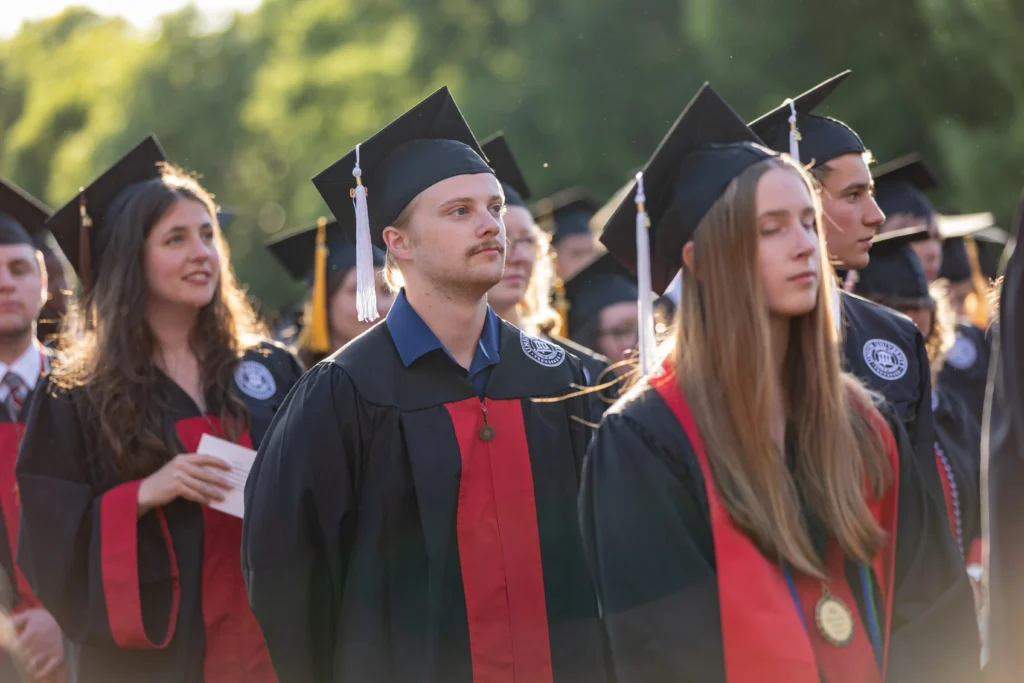

An Investment in Excellence
We are honored that you are considering Union University to further your education. At Union you will be challenged intellectually and nurtured spiritually. The experiences inside and outside the classroom will prepare you for your future endeavors, wherever God leads you. The coursework at Union is grounded in academic excellence and is intentionally focused on Christ. The faculty, staff, and administration genuinely desire to serve you to the glory of God.
The Office of Student Financial Aid will assist you in financing your dream of higher education. The investment can be significant; however, by prayer, planning, and perseverance, you can attain this dream.
Financial aid comes from institutional, federal, state, and outside sources which may include grants, scholarships, student employment, student loans, and/or parent loans. Two different categories of aid are merit based and financial need based. Merit awards are given based on academic excellence, leadership development, and/or individual talent. Awards based on financial need are determined by the Free Application for Federal Student Aid (FAFSA) form.
The intent of this site is to introduce you to the financial aid available to Union University students. Please contact us at 800-33UNION, or at [email protected] if you have any questions.
Cost of Attendance
Cost of Attendance is used in part to help determine a student's financial aid eligibility and to estimate costs associated with attending college. It is not meant to be the exact costs every student will pay, but a standard estimate that is used for all categories of students for financial aid purposes.

Scholarships
Scholarships are a major piece of financing a college education and, unlike student loans, do not have to be repaid. Union institutional scholarships are available to traditional Undergraduate students for a variety of qualifications — merit based on academic performance or other skill-based talents, or financial need based on the specific financial situation for the student or family. Institutional grants may be available based on financial need as well.
Grants
Institutional Union grants are automatically offered to students who qualify based on financial-need. There is no additional application required other than your Admissions Application and your FAFSA. Amounts of the Union grant may vary.
Federal grants are available to those who complete a FAFSA and qualify on other eligibility requirements. For most grants, students must demonstrate financial need according to the FAFSA to be eligible. Generally, grants to not have to be repaid.

Student Loans
The Federal Direct Stafford Loan enables degree-seeking students who are enrolled at least half-time to obtain low interest loans. Students may borrow under the Federal Direct Stafford Loan Program even if they have not established a credit record for the subsidized and unsubsidized loan options.
Payment on these loans begins six months after graduation or after a student is no longer enrolled at least half-time.

Student Employment
Student employment is exactly as it sounds, employment opportunities for students. Union offers a variety of both on and off-campus employment options to allow students who wish to work while in college to do so. One of the advantages of the student employment program versus other part time job options in the community is the schedule – meaning expected work hours will not overlap with a student’s class schedule. We believe student employees are students first.
Student employment can come from one of two sources — Institutional Workship funds (paid by Union to the student), or through the Federal Work Study program (paid by financial need eligibility determined by the FAFSA). There is no difference in the student experience for pay rate, frequency of pay, etc. whether receiving Institutional Workship or Federal Work Study. Some jobs, however, may be listed as Federal Work Study only, in which case only those students eligible for Federal Work Study from the FAFSA would be eligible to apply.
Student Financial Aid and the Vocatio Center work collaboratively along with several other offices on-campus to administer our student employment program. Questions related to how to apply for student employment positions (as well as help with resumes, cover letters, career counseling, graduate school prep, interview prep, and many other services) should be directed to the Vocatio Center.
Meet the Staff

Colby Benefield
Director for Student Financial Aid
Colby Benefield
Director for Student Financial Aid

Bonni Carter
Financial Aid Operations Specialists (Loans)
Bonni Carter
Financial Aid Operations Specialists (Loans)

Amy Kuhl
Receptionist for Student Financial Aid
Amy Kuhl
Receptionist for Student Financial Aid

Kelly Rowland
Financial Aid Specialist Operations (Grants)
Kelly Rowland
Financial Aid Specialist Operations (Grants)
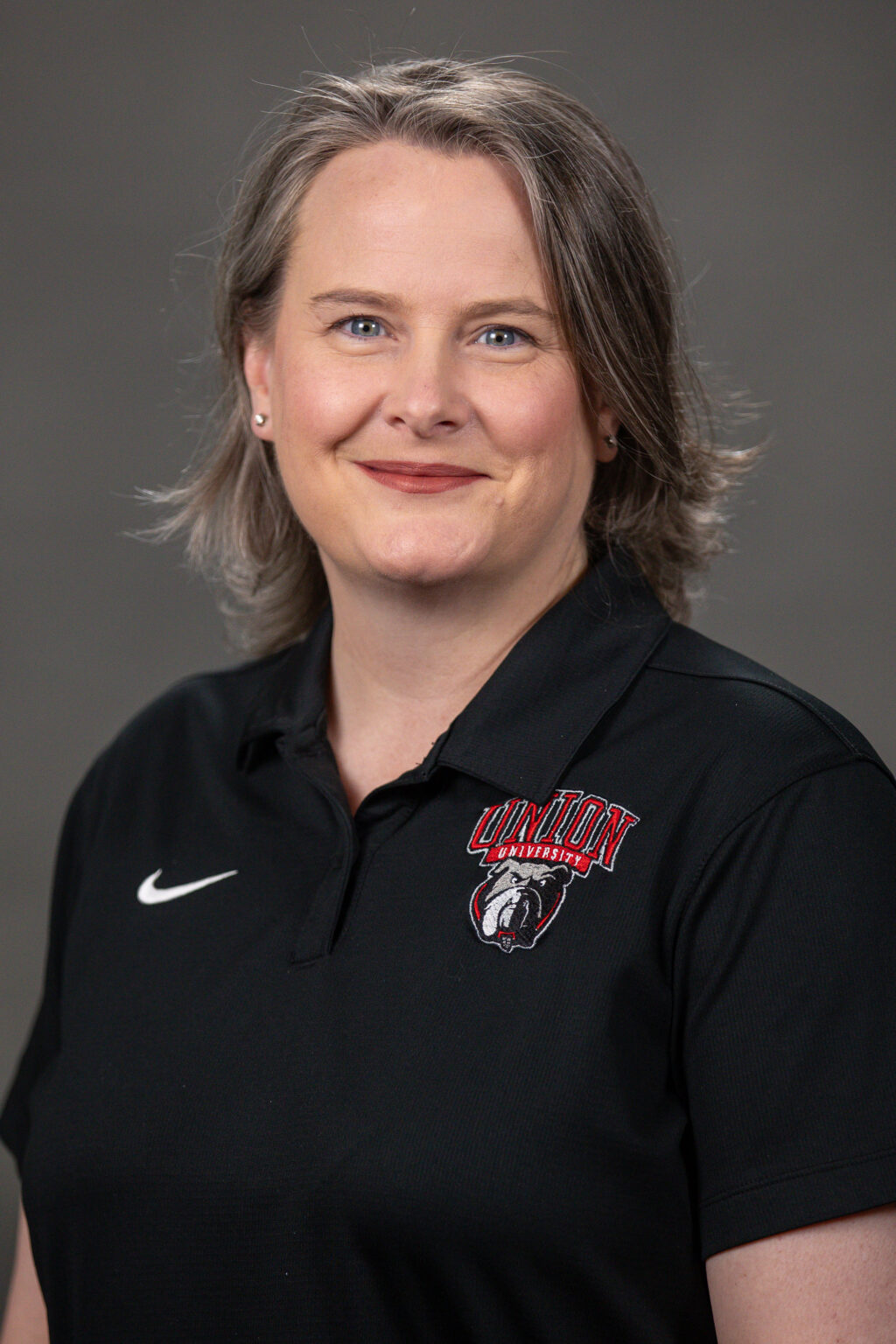
Abby Scott
Scholarships and Dual Enrollment Coordinator
Abby Scott
Scholarships and Dual Enrollment Coordinator

Mitchell Stockdale
Associate Director for Student Financial Aid and Veteran Certifying Official
Mitchell Stockdale
Associate Director for Student Financial Aid and Veteran Certifying Official